Budget Changes: What They Mean for UK Property
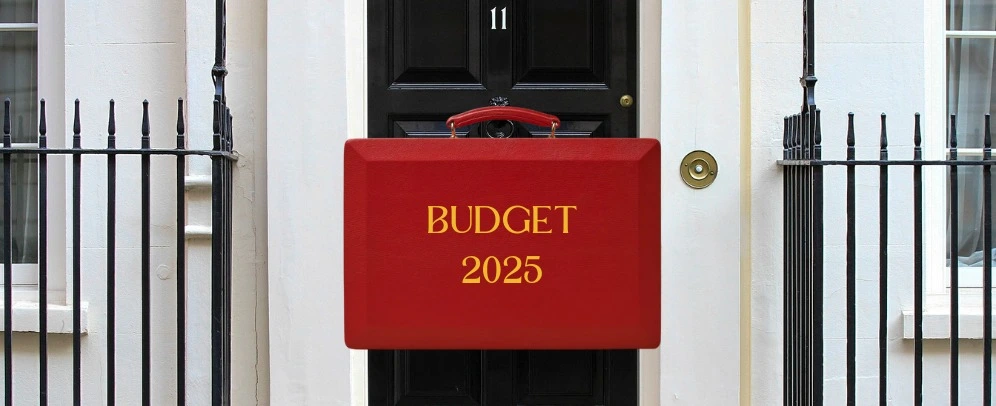
Navigating the New Landscape: 5 Budget Changes Affecting the UK Housing Market
The government's recent budget announcement has introduced several significant fiscal changes, sending ripples across the UK housing market. For homeowners, buyers, and investors, understanding these updates is not just beneficial—it's essential for making informed and confident decisions.
At Jones & Associates, we believe in proactive preparation and clear communication. We've kept our finger on the pulse of these developments to cut through the noise and provide you with the clear, actionable insights you need. This article breaks down the five key budget changes and what they mean for you.
1. Permanent Stamp Duty Land Tax (SDLT) Reform
One of the headline changes is a permanent adjustment to the Stamp Duty Land Tax thresholds.
What's Changed?
The government has permanently increased the nil-rate SDLT threshold. This means the portion of a property's value on which you pay no stamp duty is now higher than it was before the recent "stamp duty holidays."
Impact on Buyers: This provides a direct and permanent tax saving on property purchases, reducing the upfront cost of moving. It offers more certainty than the temporary holidays we've seen previously, allowing for better long-term financial planning.
Impact on Sellers: A more affordable entry point for buyers can stimulate demand, particularly at the lower end of the market. This can lead to a more liquid market, potentially making it easier to find a buyer for your property.
Impact on Landlords: The reduction in acquisition costs makes property investment slightly more accessible, lowering the initial capital outlay required for a buy-to-let purchase.
2. Capital Gains Tax (CGT) Adjustments
The budget has introduced important changes to how capital gains are taxed, which is particularly relevant for those selling second homes or investment properties.
What's Changed?
The annual tax-free allowance for Capital Gains Tax is being reduced. Furthermore, the rate of CGT for residential property disposals has been adjusted, impacting the total tax bill when you sell a property that is not your main residence.
Impact on Sellers: If you are selling a second home or a property you've inherited, a lower tax-free allowance means a larger portion of your profit will be subject to tax. This may influence the timing of your sale.
Impact on Landlords: This is a critical change for property investors planning their exit strategy. The reduced allowance increases the tax liability on sale, making it crucial to factor this into your long-term profitability calculations. Seeking financial advice is highly recommended.
3. "Green Homes Grant 2.0"
Reflecting the growing importance of sustainability, a new grant has been introduced to encourage energy-efficient home improvements.
What's Changed?
A new version of the Green Homes Grant provides funding for homeowners and landlords to install energy-saving measures like insulation, heat pumps, and solar panels. The grant is designed to help improve a property's Energy Performance Certificate (EPC) rating.
Impact on Buyers: This grant presents an opportunity. You could purchase a property with a lower EPC rating at a competitive price, knowing that financial assistance is available to help you carry out the necessary upgrades.
Impact on Sellers: An improved EPC rating is becoming a major selling point. Using the grant to upgrade your home's energy efficiency before listing it for sale can make it more attractive to buyers and potentially justify a higher asking price.
Impact on Landlords: With upcoming regulations set to require a minimum EPC rating of 'C' for all new tenancies, this grant is a vital tool. It helps offset the cost of essential upgrades, ensuring your property remains compliant and appealing to tenants.
4. Targeted Reintroduction of Mortgage Interest Relief
In a significant move for the buy-to-let sector, the budget has reintroduced a form of mortgage interest relief, but with a key condition.
What's Changed?
Landlords with properties that have an EPC rating of 'C' or higher can now once again deduct their mortgage interest costs from their rental income before calculating their tax bill. This reverses the controversial "Section 24" changes for energy-efficient properties.
Impact on Landlords: This is a game-changer. It directly increases the profitability of owning and renting out energy-efficient properties. For investors, it creates a powerful financial incentive to either purchase properties that already meet the 'C' rating or to invest in upgrading their existing portfolio.
Impact on Sellers: If you are selling a property with an EPC rating of 'C' or above, it is now significantly more attractive to landlord investors. Be sure to highlight this in your property's marketing materials.
5. The New First-Time Buyer (FTB) ISA
To help aspiring homeowners get onto the property ladder, the government has launched a new savings product with a specific focus.
What's Changed?
The new First-Time Buyer ISA offers a generous government bonus on savings, similar to previous schemes. However, the crucial condition is that the funds, including the bonus, must be used for the purchase of a new-build property.
Impact on Buyers: For first-time buyers happy to consider a new-build home, this ISA provides a fantastic boost to their deposit savings, accelerating their path to homeownership.
Impact on Sellers: If you are selling an older property, particularly a typical starter home, this change may impact your target market. Some first-time buyers may be drawn away towards the new-build sector to take advantage of the ISA. This makes competitive pricing and excellent presentation more important than ever.
Your Trusted Advisors in a Changing Market
Budget changes invariably create a new set of rules, bringing both opportunities and challenges. Whether you're buying your first home, selling a family property, or managing an investment portfolio, navigating this landscape requires expertise and foresight.
At Jones & Associates, our role is to be your trusted advisors. We analyse these developments so you don't have to, providing tailored advice to help you achieve your property goals.
If you have any questions about how these changes affect your specific situation, please don't hesitate to get in touch with our team for a no-obligation conversation.